Leaseback

Sell your existing equipment to Leasetic and lease it straight back: your teams keep using it, and your company receives cash at signature.

Leaseback
At signature | funds paid out 0 interruption | for your teams 24 to 60 months | contract term
Ideal for
  • Companies with 50+ employees that bought their equipment outright
  • Financing a new project without a bank loan
  • Finance teams that want to reduce fixed assets
  • Recent fleets, shortly after a major investment

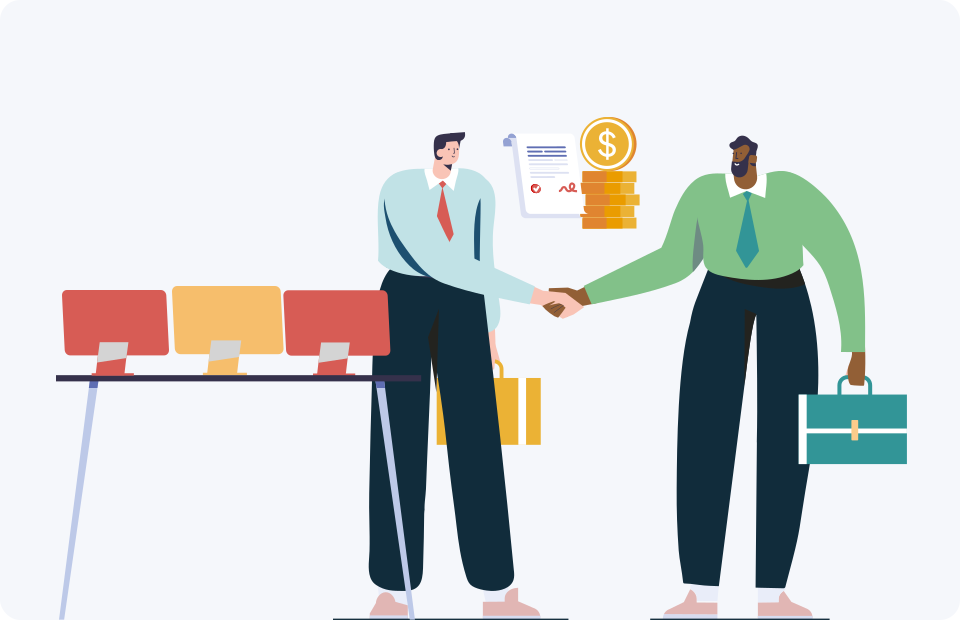
Leaseback means selling the business assets you already own (IT equipment, audiovisual equipment, medical or industrial equipment) to Leasetic and leasing them straight back under a new leasing contract. You keep using your assets without interruption, while turning a fixed asset into available cash.

Who is it for?

This solution is for companies with more than 50 employees that have bought their equipment outright, in any sector, and want to finance a new project, reduce their fixed assets or optimise their balance sheet without disrupting their operations. Interference, an events venue in Toulouse, chose it to finance its L-Acoustics audiovisual equipment.

How it works

After assessing your eligible assets, we buy them and set up a leasing contract over 24 to 60 months. Funds are paid at signature, and you get the same support as with our other formulas throughout the contract. At the end of the contract, depending on its terms, you keep or return the equipment; returned equipment goes through our revalorisation process.

The right time to consider it

The initial assessment of your assets determines how much cash is released: the newer and better maintained the equipment, the higher its residual value, and so the capital released. That is why leaseback is often considered shortly after a major equipment investment, before depreciation reduces the buy-back value.

A growth tool, not a last resort

Leaseback is sometimes wrongly seen as a last resort for companies in difficulty. In reality, it is a financial management tool used by growing companies that want to finance a new project without a traditional bank loan, or strengthen their cash position without opening up their capital.

Tax and accounting

Rents can be treated as expenses rather than depreciated fixed assets, but the exact treatment depends on your accounting framework and situation. Your accountant can confirm it.

Customer benefits

What it means for your organisation and your activities.

Cash available quickly

  • Turn your equipment into cash to fund new opportunities.
  • Keep using your equipment without interruption: the transition is invisible to your teams.
  • Receive the funds at signature, without the delays of traditional bank financing.

A lighter balance sheet

  • Turn fixed assets into cash.
  • Keep using your equipment under a leasing contract.
  • Rents can be treated as expenses, depending on your accounting framework.

New projects financed

  • Reallocate your budget to new projects.
  • Increase your capacity to invest in growth.
  • Seize an opportunity without waiting for a full budget cycle.

How it works

Three steps, from analysing your needs to monitoring your fleet.
Asset assessment

  • Audit of your existing assets to identify those that are eligible.
  • Estimate of residual value based on the age and condition of the equipment.
  • Identification of any additional needs.

Buy-back and contract set-up

  • Leasetic buys your equipment.
  • A 24 to 60-month leasing contract, with conditions negotiated according to your profile and sector.
  • Funds paid at signature, without waiting for the end of a financial year.

Support during the contract

  • IT fleet monitoring with Colibris, with no interruption of use during the transition.
  • Technical support available as an option, defined in the contract terms.
  • One point of contact from the initial buy-back to the end of the contract.

Frequently asked questions

Can't find your answer here? Our experts will help.

How does leaseback work?

We assess and buy your existing equipment, then lease it back to you under a 24 to 60-month contract. You release cash at signature, without changing equipment.

Which equipment is eligible?

All types of business assets in good condition: IT equipment (computers, servers, networking), audiovisual equipment, medical or industrial equipment. The newer the equipment, the more cash is released.

Which companies is leaseback for?

Companies with more than 50 employees that already own a significant equipment fleet, in any sector. It is a financial management tool to fund a project or lighten the balance sheet, not a solution reserved for companies in difficulty.

Does leaseback have a tax impact?

It can: rents may be treated as expenses rather than depreciated fixed assets. The exact treatment depends on your accounting framework and situation, so check with your accountant.

Talk to our experts

Book a 30-minute call to explore our solutions.

Leaseback
Leaseback
Sell your existing equipment to Leasetic and lease it straight back: your teams keep using it, and your company receives cash at signature.
How does leaseback work?
We assess and buy your existing equipment, then lease it back to you under a 24 to 60-month contract. You release cash at signature, without changing equipment.
Which equipment is eligible?
All types of business assets in good condition: IT equipment (computers, servers, networking), audiovisual equipment, medical or industrial equipment. The newer the equipment, the more cash is released.
Which companies is leaseback for?
Companies with more than 50 employees that already own a significant equipment fleet, in any sector. It is a financial management tool to fund a project or lighten the balance sheet, not a solution reserved for companies in difficulty.
Does leaseback have a tax impact?
It can: rents may be treated as expenses rather than depreciated fixed assets. The exact treatment depends on your accounting framework and situation, so check with your accountant.