In today's business environment, technology is a critical success factor. However, deciding how to acquire and manage IT equipment can be a challenge. Traditional purchasing and leasing are two main options, each with its own advantages and disadvantages.
Detailed Comparison: Purchasing vs. Leasing Pros and Cons of Each Option
Ownership
- Purchasingsome text
- The company owns the equipment after the payment is completed
- Leasingsome text
- The company does not own the equipment but may have purchase options at the end of the contract.
Cost
- Purchasingsome text
- Requires a significant initial outlay.
- Leasingsome text
- Requires lower monthly or quarterly payments.
Depreciation
- Purchasingsome text
- Costs are amortized over the useful life of the equipment.
- Leasingsome text
- Lease payments are not amortized but may be tax-deductible as operating expenses.
Technological Updates
- Purchasingsome text
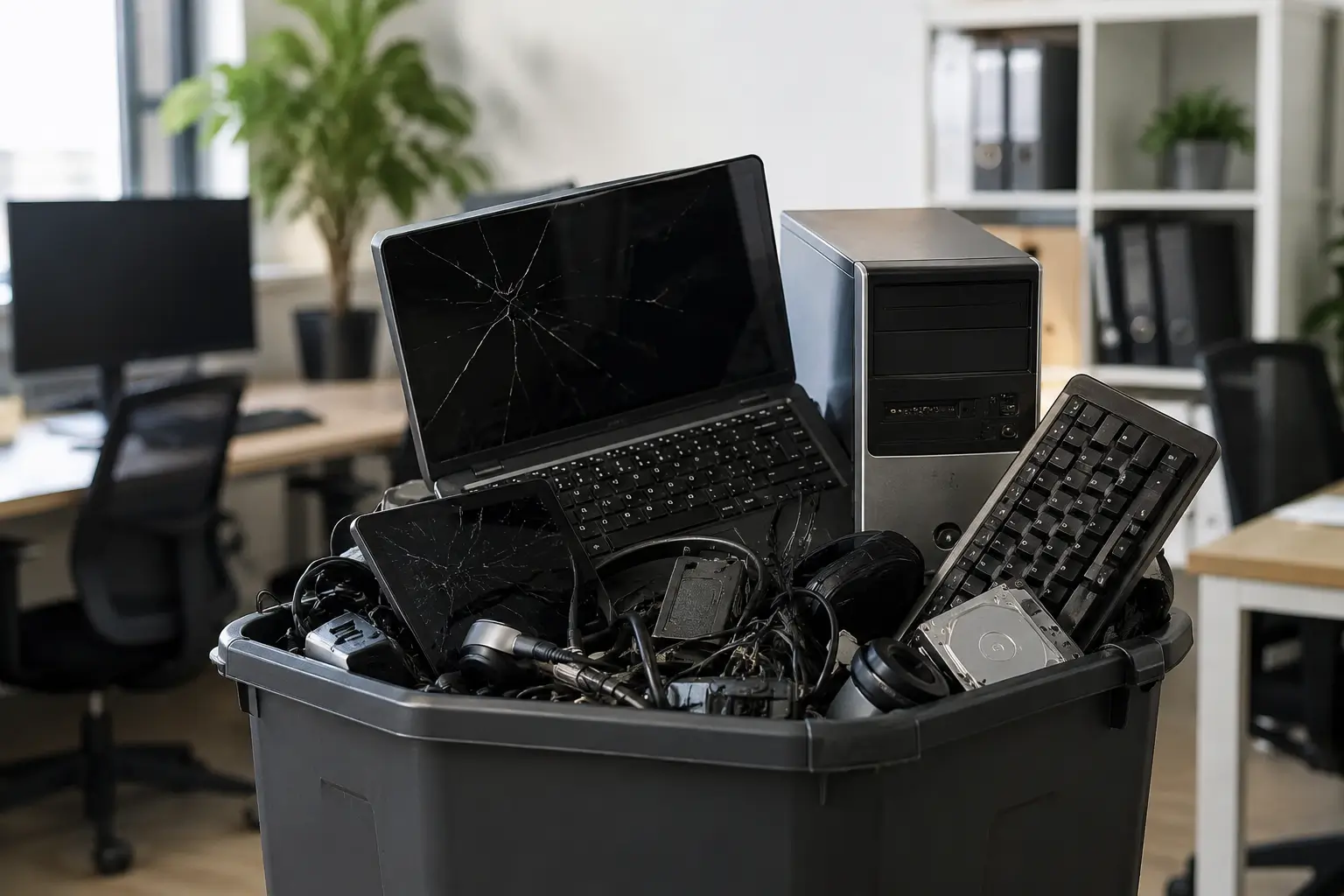
- The company is responsible for updating the equipment and bearing the associated costs.
- Leasingsome text
- The leasing provider usually offers upgrade options at the end of the contract.
Maintenance
- Purchasingsome text
- The company is responsible for the maintenance and repair of the equipment.
- Leasingsome text
- Maintenance and technical support are usually included in the leasing contract.
Flexibility
- Purchasingsome text
- Less flexibility to change equipment or adjust capacity.
- Leasingsome text
- Greater flexibility to upgrade equipment and adjust capacity according to the company's needs.
- Purchasing:some text
- Advantages: Full ownership of the equipment, possibility of amortizing costs, greater control over equipment customization.
- Disadvantages: Significant initial outlay, responsibility for maintenance and updates, risk of technological obsolescence.
- Leasing:some text
- Advantages: Reduction of initial costs, predictable monthly payments, flexibility to upgrade equipment, inclusion of support and maintenance services.
- Disadvantages: No ownership of the equipment at the end of the contract, long-term commitment to payments, possible limitations in equipment customization.
Strategy Evaluation: Factors to Consider
- Company size: SMEs can benefit from leasing to avoid large initial investments and access up-to-date technology. Large companies can use leasing for specific projects or for equipment that requires frequent updates.
- Capital availability: If capital is limited, leasing may be a more viable option than purchasing, as it does not require a large initial outlay.
- Technological needs: If the company needs cutting-edge technology that updates quickly, leasing may be a better option than purchasing.
- Internal management capacity: If the company does not have specialized IT staff, leasing can be a good option, as the provider usually offers maintenance and technical support services.
Personalized Recommendations
The best strategy will depend on the specific circumstances and objectives of each company. It is essential to conduct a detailed analysis of the available options and consider the factors mentioned above.
An IT leasing expert can help you:
- Evaluate your technological needs: Identify which equipment and solutions are essential for your business.
- Analyze your financial options: Compare the costs and benefits of purchasing and leasing in the long term.
- Negotiate the terms of the contract: Obtain the best possible conditions in terms of duration, updates, and included services.
- Optimize your tax strategy: Take advantage of the tax benefits of leasing to reduce your company's tax burden.
Conclusion:
The decision between buying or leasing computer equipment is not trivial. A well-informed approach, with the help of experts, can lead your company to make strategic decisions that drive its growth and efficiency.