Fleet management
The IT circular economy in business: definition, challenges and implementation
IT circular economy in business: definition, regulatory challenges and concrete levers to apply it.
Quentin
October 22, 2026


IT circular economy in business: definition, regulatory challenges and concrete levers to apply it.
Rethinking the lifecycle of IT equipment
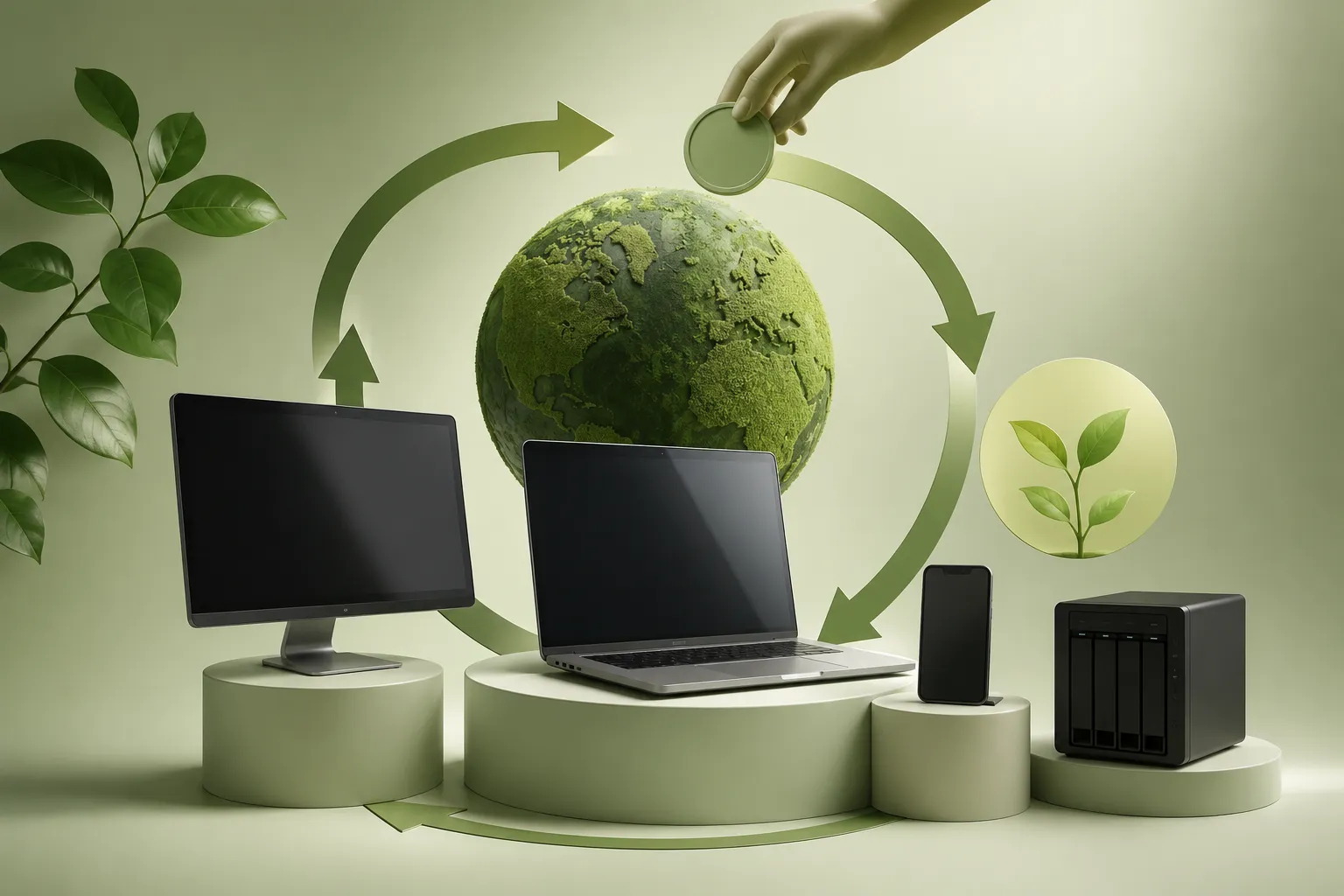
The IT circular economy means applying circular economy principles to a company's IT fleet: extending the service life of equipment, favouring refurbishment over systematically buying new, and organising a traceable end of life rather than simply scrapping devices. It is no longer a niche topic: it affects costs, regulatory compliance and the company's image all at once.
Manufacturing a piece of IT equipment accounts for most of its carbon footprint over its whole lifecycle. Extending a device's service life, or giving it a second life through refurbishment, directly reduces this impact, far more effectively than optimising its energy consumption during use.
CSR reporting obligations (CSRD, carbon assessment) and the obligations arising from the French AGEC anti-waste law (repairability index and spare parts guarantee for manufacturers, a 20% quota of refurbished purchases for the public sector) are pushing companies to document, and not just declare, their IT fleet management practices.
IT-related environmental criteria carry more and more weight in assessments such as EcoVadis, which looks in particular at technology modernisation, equipment reuse and the environmental criteria applied to IT suppliers.
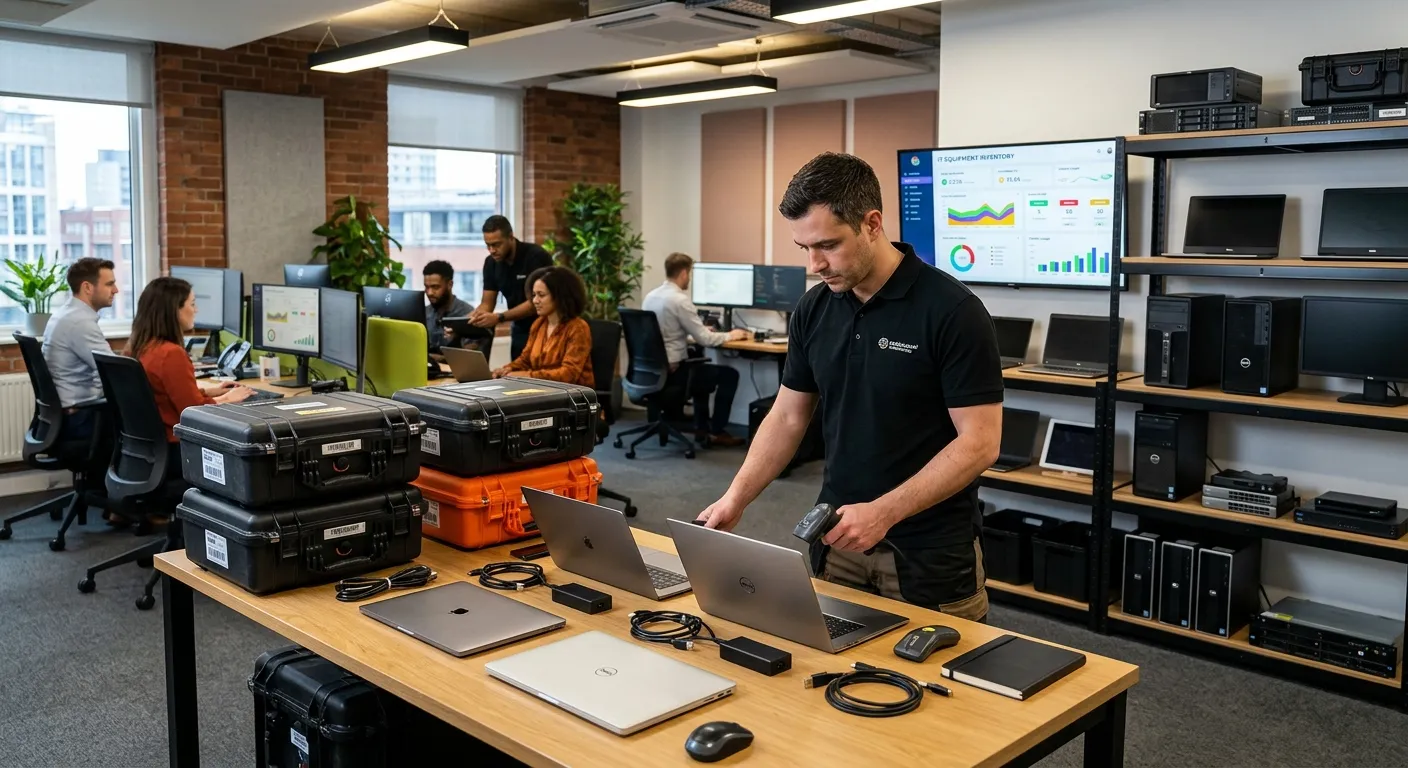
At Leasetic, this approach translates into three complementary elements: circular IT financing built into all our contracts, continuous impact measurement with our Colibris tool, and organised end-of-life management with our partners Idem (computer refurbishment) and Seensys (smartphone and tablet refurbishment), complemented by Foxway remanufacturing solutions.
Under budget constraints, Rouen University Hospital was able to partly finance its carbon management approach through a buy-back plan for its obsolete equipment, with full reverse logistics carried out in partnership with local players such as Les Ateliers du Bocage. Return on investment was reached in less than a year. Read the full case study.
What is the difference between the IT circular economy and digital CSR?
Digital CSR is the company's overall commitment to the social and environmental issues of digital technology. The IT circular economy is a concrete, measurable lever within it, focused specifically on the lifecycle of IT equipment.
How can you measure the carbon impact of your IT fleet?
Our Colibris tool documents the carbon footprint device by device, built directly into the billing flow. You can also try our carbon footprint comparator for a first estimate.
Is the IT circular economy mandatory for companies?
Not in general for simple fleet management, but CSR reporting obligations (CSRD) and certain provisions of the AGEC law (repairability and spare parts for manufacturers, a quota of refurbished purchases for the public sector) are pushing more and more companies to document their practices, even where there is no strict obligation.
Want to assess the potential of your fleet? Try our carbon footprint comparator, or talk to our experts.
Further reading: discover our approach to circular IT financing, how we organise asset recovery and reverse logistics, our criteria for choosing reliable refurbished equipment, the different business IT leasing options that include this approach, and how to lease rather than buy refurbished equipment.