
Traditional leasing

A fixed-term contract, a stable monthly rent and up-to-date equipment across your company, without tying up your cash.
Traditional leasing
24 to 60 months | contract term, set at signature 1 fixed rent | known upfront, no renegotiation 4 sectors | IT, audiovisual, medical and industrial
Ideal for
  • Companies with 50+ employees and stable equipment needs
  • Finance teams that want a predictable IT budget
  • Fleet renewal projects with a defined scope
  • Teams that want a single contract and a single due date

Traditional leasing is our simplest leasing formula, available for all types of business assets, IT, audiovisual, medical or industrial: a fixed-term contract, usually between 24 and 60 months, with a stable monthly rent that covers the equipment financing and, depending on the options chosen, its maintenance.

Who is it for?

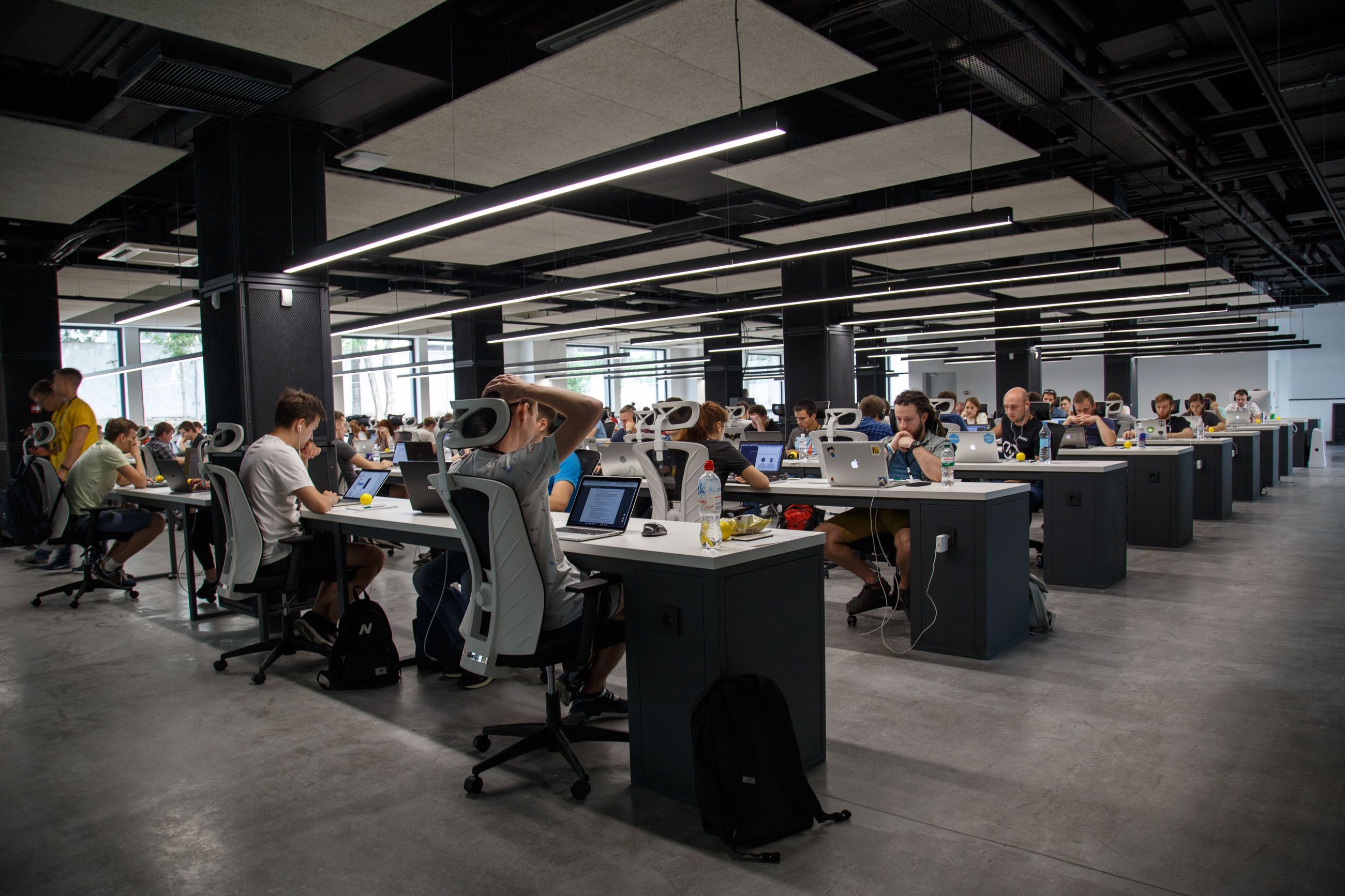
This formula is particularly suited to companies with more than 50 employees whose equipment needs are stable and predictable over the contract term. It preserves your cash by avoiding a purchase, while giving you access to recent equipment, without the budget uncertainty of managing a fleet you own.

At the end of the contract

Depending on the terms of the contract, you keep or return the equipment. For IT equipment, the fleet is monitored with Colibris to document its environmental impact, and returned equipment goes through our revalorisation process: certified data erasure, then a second life.

The key benefit: simplicity

The main advantage of this formula is how easy it is to manage: one rent, one due date, conditions set at signature. It suits organisations with stable activity, a constant headcount and no rapid growth planned in the short term, that value budget predictability over the flexibility of adaptive leasing.

Maintenance: an option, not an obligation

Depending on the option chosen, the monthly rent can include maintenance and technical support on top of financing, so you do not have to manage a separate service contract. This is an important difference from a standard purchase, where the company organises maintenance itself and bears the risk of failure alone once the manufacturer's warranty has expired.

Customer benefits

What it means for your organisation and your activities.

Simplicity and budget predictability

  • A fixed monthly rent, known at signature, for a fully predictable IT budget.
  • No surprises or renegotiation to plan for during the whole contract.
  • Lighter administration: one contract, one due date.

Preserved cash flow

  • Access to recent equipment without committing capital to a purchase.
  • Rents recorded as expenses rather than assets depreciated over several years, depending on your accounting framework.
  • Cash available for your company's other priorities.

Up-to-date equipment

  • Recent equipment throughout the contract, to limit obsolescence.
  • At the end of the contract, you keep or return the equipment according to the agreed terms.
  • Technical support available depending on the formula chosen.

How it works

Three steps, from analysing your needs to monitoring your fleet.
Analysing your needs

  • Audit of the existing fleet and identification of the challenges.
  • Advice on the most suitable equipment.
  • Budget assessment and tailor-made financing proposal.

Structuring the contract

  • Fixed term agreed at signature (24 to 60 months).
  • Conditions negotiated according to your profile and sector.
  • A stable contract with no renegotiation along the way. If you need flexibility, adaptive leasing is designed for that.

Management and support

  • IT fleet monitoring with Colibris to document its impact throughout the contract.
  • Technical support available as an option, defined at signature to avoid renegotiation later.
  • Simplified administration: one contract, one due date.

Frequently asked questions

Can't find your answer here? Our experts will help.

How long does a leasing contract last?

The term usually ranges from 24 to 60 months, depending on your needs and the equipment leased. It is set at signature.

What happens at the end of the contract?

Depending on the terms of the contract, you keep or return the equipment. Returned equipment is collected, its data is erased with certification, and it is then refurbished for a second life.

Who is responsible for servicing and maintaining leased equipment?

It depends on the terms of the contract. Some leasing contracts include maintenance and technical support to keep equipment running throughout the term. Unlike an outright purchase, the company does not bear the risk of failure alone once the manufacturer's warranty has expired.

Can equipment be adjusted during the contract?

Traditional leasing is designed to stay stable for the whole contract, with no renegotiation along the way. If your needs are likely to change (growth, one-off projects, seasonality), our adaptive leasing offer is built for that, with review points defined in advance.

Talk to our experts

Book a 30-minute call to explore our solutions.

Traditional leasing
Traditional leasing
A fixed-term contract, a stable monthly rent and up-to-date equipment across your company, without tying up your cash.
How long does a leasing contract last?
The term usually ranges from 24 to 60 months, depending on your needs and the equipment leased. It is set at signature.
What happens at the end of the contract?
Depending on the terms of the contract, you keep or return the equipment. Returned equipment is collected, its data is erased with certification, and it is then refurbished for a second life.
Who is responsible for servicing and maintaining leased equipment?
It depends on the terms of the contract. Some leasing contracts include maintenance and technical support to keep equipment running throughout the term. Unlike an outright purchase, the company does not bear the risk of failure alone once the manufacturer's warranty has expired.
Can equipment be adjusted during the contract?
Traditional leasing is designed to stay stable for the whole contract, with no renegotiation along the way. If your needs are likely to change (growth, one-off projects, seasonality), our adaptive leasing offer is built for that, with review points defined in advance.