
Ecological transition
Best practices for achieving digital sobriety in the workplace
Discover simple yet effective measures to make our use of digital technology greener.

Sophie Fruleux
November 10, 2026

Discover simple yet effective measures to make our use of digital technology greener.
In the digital age, as companies strive to remain competitive and innovative, the ecological cost of our digital activities at the office can no longer be overlooked. A recent study reveals that up to 48% of a company's annual sustainable budget (that is, the amount of environmental impact each organization can "spend" over a year without destabilizing the planet's fundamental balances) goes to its internal use of digital technology. In light of this reality, adopting practices that support digital sobriety has become imperative. Let's look at some simple yet effective measures to make our use of digital technology greener.
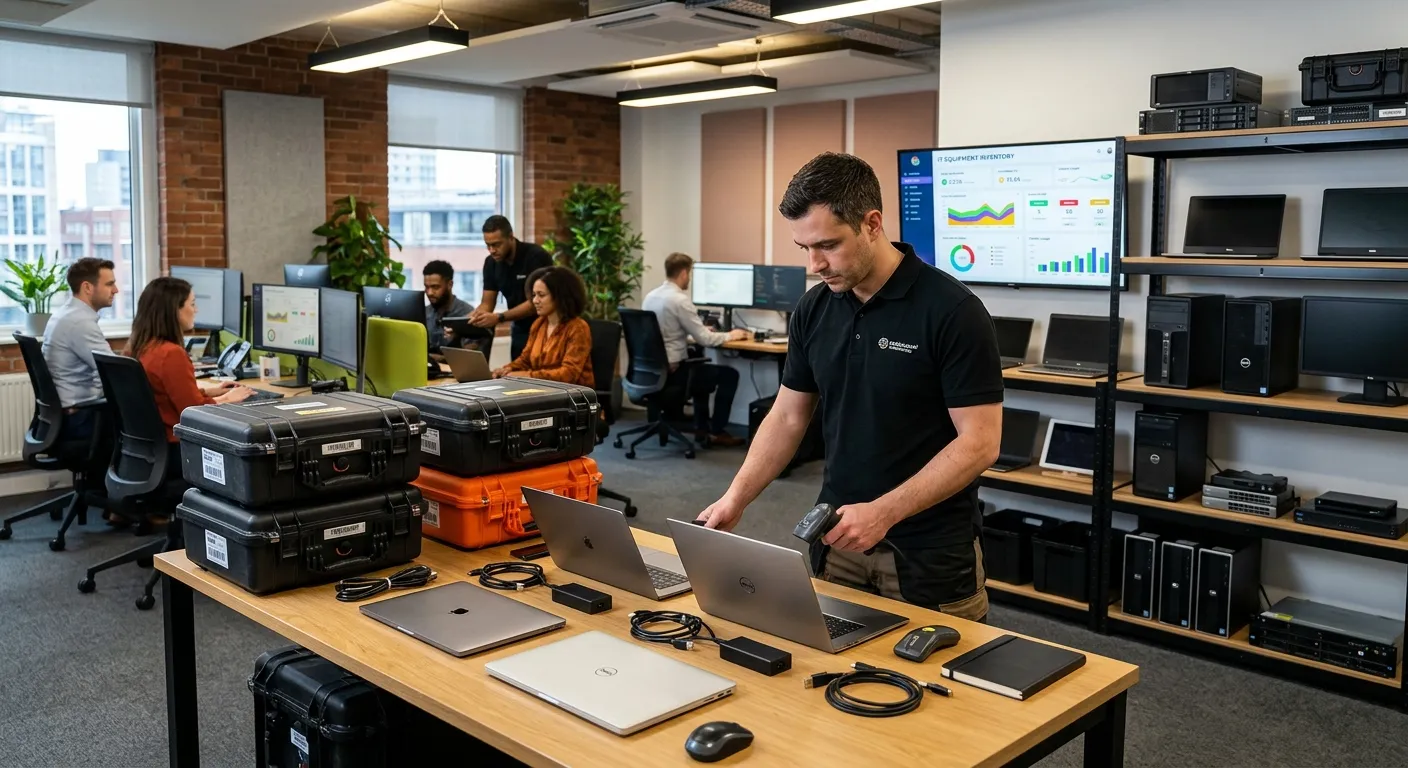
The first step toward effective digital sobriety is to avoid over-equipment. Tools such as the Colibris app make it possible to optimize the management of the IT fleet and digital tools (lower ownership rates, usage monitoring, and management of incoming and outgoing equipment). By optimizing the use of digital assets, we reduce the environmental impacts linked to their manufacture while making better use of them.

Extending the lifespan of equipment is also a key strategy for reducing our digital footprint. By investing in maintenance and using equipment for as long as possible, we limit the need to manufacture new devices.
Refurbishment involves restoring and reselling previously used products rather than throwing them away: we repair and reuse. In sectors such as electronics, this practice is booming. The benefits are many: less waste, preserved resources and a lower carbon footprint. Companies such as Back Market and Loopix have fully committed to this model.
Choosing refurbished equipment is therefore both an ecological and an economic decision. It can lead to substantial savings of 60 to 80% compared with the price of a new product.

By encouraging the repeated and extended use of these assets, a company could not only reduce electronic waste but also create a new source of revenue by selling products that are obsolete for its own operations but still usable by other organizations. This strategy could enable the company to earn money while fighting waste and overconsumption.
Leasetic offers solutions to optimize the value of equipment while promoting sustainability.
Key players such as product managers, developers and designers must take an active part in the eco-design of digital services. In doing so, they help reduce the carbon footprint of these services and improve operational efficiency (lower running costs). Moreover, by making these services compatible with refurbished equipment, they help extend its lifespan and increase its reuse rate.
Simply switching off electronic devices when they are not in use, or favoring energy-saving modes, can have a significant impact. Encouraging these practices within the company can considerably reduce energy consumption and contribute to more sustainable digital technology.

Adopting digital sobriety practices within your company is not only good for the environment but also helps you stay within your sustainable budget. By encouraging digital sobriety, we help build a future where innovation coexists harmoniously with the preservation of our planet. To ease this transition while ensuring the long-term future of your business, discover the Colibris tool and rely on Leasetic's experience. Contact our experts.
Together, let's commit to more sober, more responsible digital technology.