
Fleet management
Corporate decarbonization: how to use emission scopes for effective climate management
Mastering emission scopes helps you align your IT fleet with your climate goals.

Sophie Fruleux
November 10, 2026

Mastering emission scopes helps you align your IT fleet with your climate goals.
Decarbonization cannot be approached without a clear understanding of the different emission boundaries defined by the Greenhouse Gas Protocol. These boundaries, known as scopes, form the basis of any corporate carbon footprint assessment.
This classification makes it possible to structure data, prioritize levers and set consistent targets.
Although it is harder to measure, scope 3 often accounts for up to 90% of a company's overall carbon footprint (source: ADEME). In particular, it includes the environmental impact of the IT fleet, which is often underestimated. As regulatory pressure grows, taking it into account has become essential for any serious climate strategy.
Decarbonizing is no longer optional. European and national regulations are pushing companies to build an emissions reduction approach based on measurable targets.
In France, carrying out a GHG emissions assessment covering scopes 1, 2 and 3 is mandatory for companies with more than 500 employees (or 250 in the French overseas territories). This obligation, aligned with the CSRD directive, requires greater transparency on emissions and on the actions taken.
International standards such as the Science-Based Targets initiative (SBTi) also require quantified commitments aligned with a 1.5°C pathway.
Groups such as Saint-Gobain and Decathlon have committed to reducing their absolute emissions across all scopes. For example, Saint-Gobain plans a 33% cut in scopes 1 and 2 and a 16% cut in scope 3 by 2030. Decathlon, for its part, is targeting a 42% reduction in total emissions by the same date.
These approaches show how important it is to embed decarbonization in a long-term strategic vision, integrated into investment, purchasing and operational management.
Knowing your emissions is a first step. The next is to act, by identifying the levers specific to each scope. The IT fleet, often overlooked, is an effective area for action, particularly for scope 3.
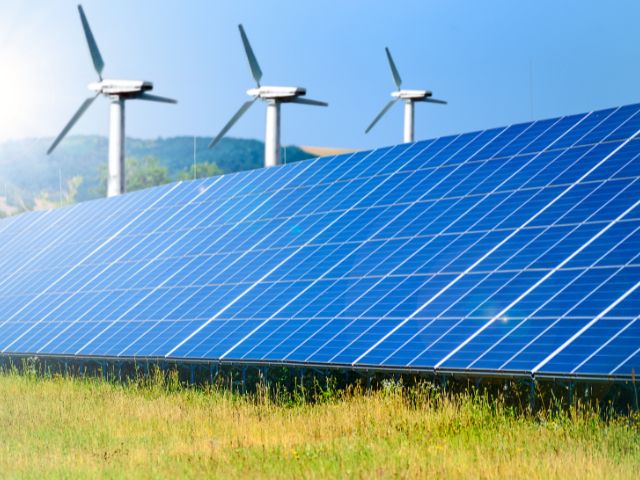
Traditional levers include optimizing the vehicle fleet, energy renovation of buildings, reducing consumption and buying renewable electricity. In the digital field, this means, for example, installing smart control systems for equipment, automating standby modes or investing in more energy-efficient IT infrastructure.
Digital technology, and IT equipment in particular, weighs heavily in scope 3. Acting on this lever makes it possible to reduce indirect emissions with high potential. A few concrete options:
These actions should be part of a responsible purchasing policy integrated into the carbon strategy.
Reducing emissions requires clear governance and strong internal engagement. Involving all stakeholders is essential to move from statements of intent to concrete action.
A successful decarbonization plan relies on:
Scope 3 requires engaging suppliers, service providers and partners. This involves:
Scopes are not just reporting tools: they are powerful levers for strategic alignment. By targeting the hidden emissions of digital technology, especially in scope 3, companies can improve their environmental performance while strengthening their resilience.
When managed responsibly, the IT fleet becomes a driver of climate efficiency. It is time to fully integrate it into corporate carbon policies, with method and rigor.
At Leasetic, we help you reduce the carbon footprint of your IT fleet in line with the requirements of scopes 1, 2 and above all 3. From lifespan extension strategies to equipment recovery and reuse, we design responsible, high-performance solutions. Contact our experts for a climate audit of your digital environment and targeted recommendations.