
Fleet management
The difference between refurbished and used equipment
Wondering whether to buy refurbished or used IT equipment? Find out the difference!

Chloé David
November 10, 2026

Wondering whether to buy refurbished or used IT equipment? Find out the difference!
While the used goods market has existed for a number of years, the refurbished market is a more recent topic. But what is the difference between these two options, and which one is more advantageous for companies?
A used or second-hand item is, by definition, a product that has already been used and is being resold. It can be a car, a computer or even clothing.
For a long time, the used goods market was the domain of specialized businesses that bought goods from individuals and then resold them. Car dealerships are a typical example.
But in recent years, thanks to solutions such as Leboncoin, the used goods market has grown between private individuals.
On the marketplace, an individual can sell their car, furniture or old smartphone without going through a third-party company. The buyer, whether an individual or a business, can deal with them directly.
This approach has many advantages: it is simple and fast, and it also costs less, because without a reseller there are no handling fees.
Today, a large number of platforms connecting buyers and sellers have emerged, riding the second-hand trend: good for the planet and for the wallet.
Examples include Vinted, the Lithuanian platform dedicated to second-hand clothing, and Marketplace, from the tech giant Facebook.

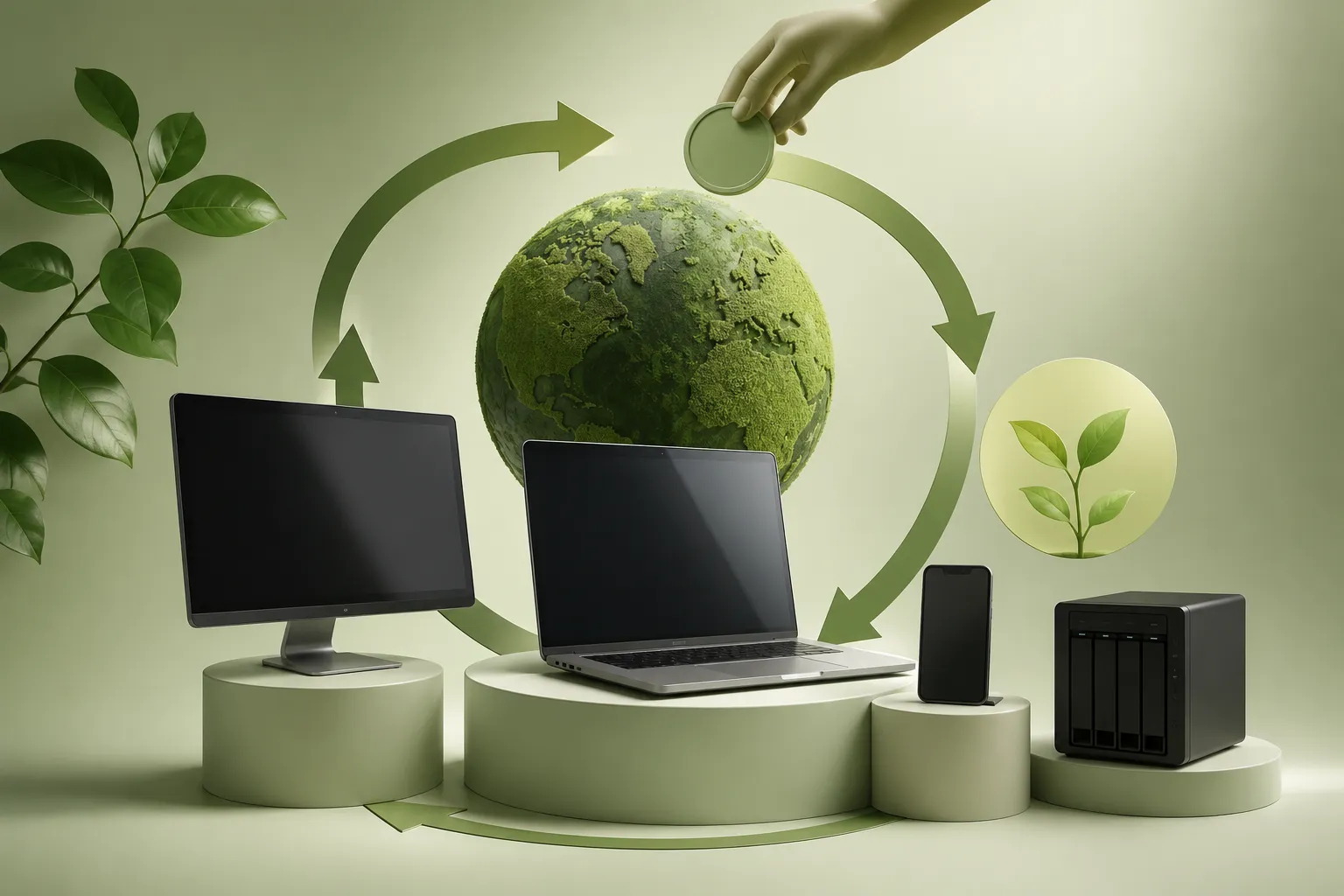
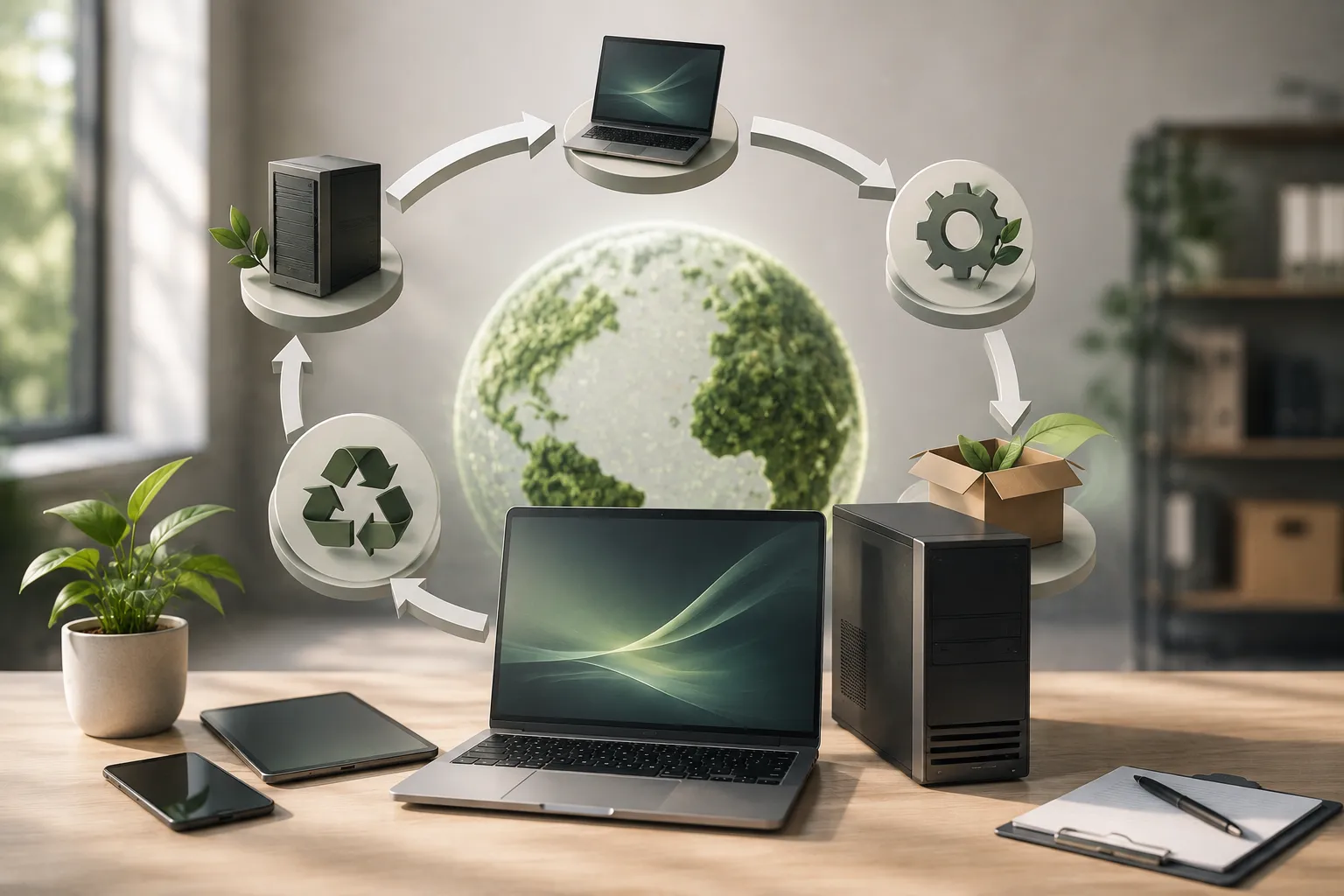
Refurbished products are also second-hand, meaning they have been used, but they have been repaired or restored to like-new condition.
In most cases, a third-party company takes care of refurbishing the product. For now, refurbished products are mainly widespread for IT devices: smartphones, computers, tablets...
Buying refurbished is an affordable way to get IT equipment restored to like-new condition. It also goes through marketplaces; in France, the market leader is BackMarket. Refurbishing companies often recover damaged equipment directly from manufacturers. This could be, for example, a broken iPhone still under warranty that Apple has replaced. The refurbishing companies then buy back this phone at a low price, use repair companies and put it back on sale once it has been restored.
The used and refurbished markets have become mainstream as part of a sustainability mindset: no longer buying new, or recycling old equipment. But they have also become very attractive from an economic point of view, for individuals and companies alike.

Anyone can buy and sell used or refurbished equipment. For a company, it is worthwhile both ways:

The main advantage of used equipment is financial. When you buy used, you are sure to pay less than the price of a new item.
The drawback of used equipment, especially when buying from individuals, is checking the condition of the equipment, particularly if you are not an expert.
The advantage of refurbished equipment is also financial. In addition, compared with used equipment, you get more certainty about its condition, and even a warranty from the resale platform.
The drawback of refurbished equipment is that the price is often less attractive than for used equipment, because more third parties are involved in the transaction.
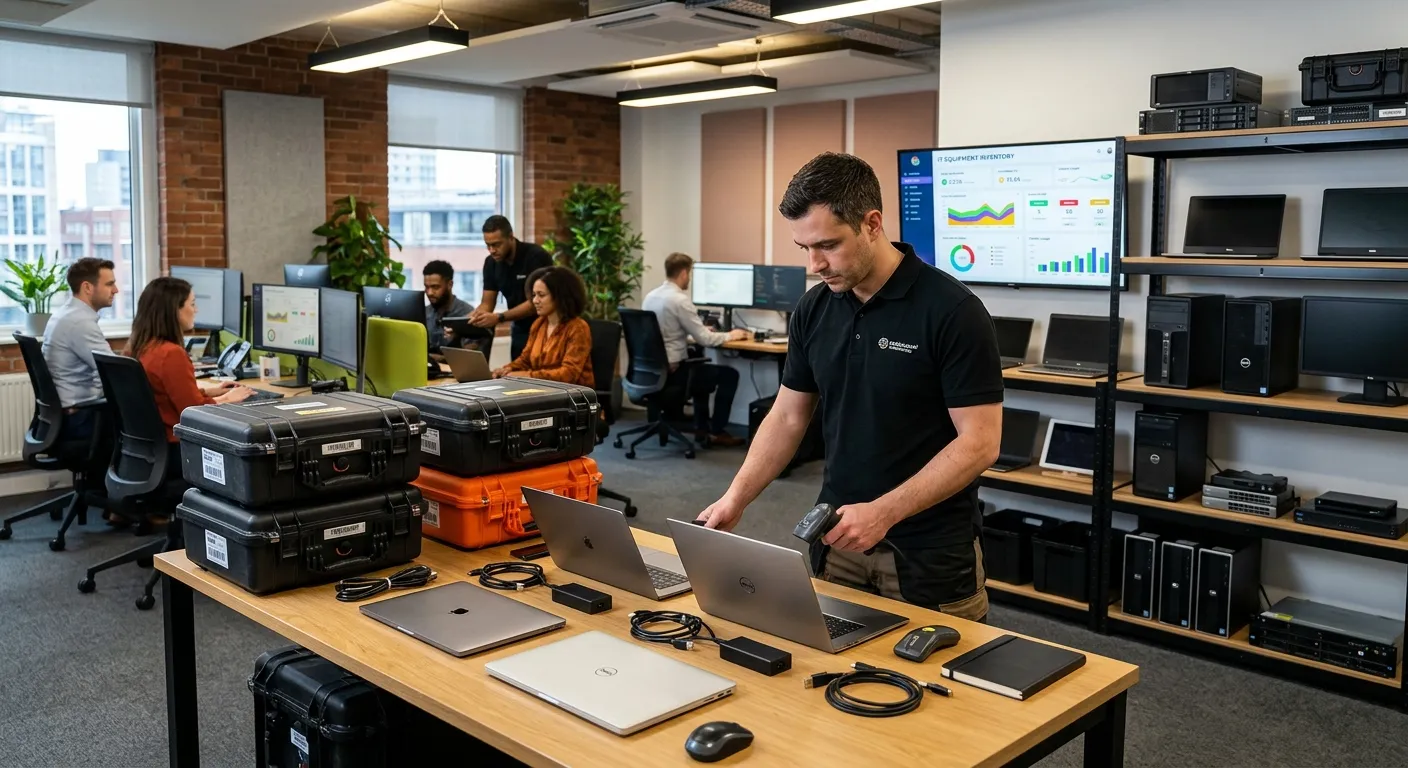
At Leasetic, we help you assess your IT fleet and identify cost-effective, environmentally friendly solutions for your organization.
Contact us today to discuss it with one of our experts!
Learn more: find out how refurbished computer leasing for businesses works.