
Ecological transition
Fair Trade and Digital: What Levers for Committed Companies?
Digital and the circular economy are reinventing fair trade: an opportunity or a challenge for responsible companies?

Sophie Fruleux
November 12, 2026

Digital and the circular economy are reinventing fair trade: an opportunity or a challenge for responsible companies?
Long seen as a committed purchasing decision, fair trade is now establishing itself as a genuine strategic lever for companies looking to combine economic performance with social impact. By redefining trade relationships, it aims to correct the structural imbalances between producers and buyers, particularly between the Global North and South.
In practical terms, it rests on several pillars: a fair price, fair payment terms, respect for social and environmental rights, and supply chain traceability. But this vision has broadened: local dynamics now fall within the scope of fair trade, including in Europe. The rise of fair trade labels for local products reflects this shift toward a more global model, but also one that is better suited to today's economic realities.
Every year, the Quinzaine du commerce équitable (France's fair trade fortnight, held over two weeks in May) is a reminder that this approach to trade is no longer a mere niche. It highlights its role in fighting poverty, supporting sustainable agriculture and contributing to the Sustainable Development Goals (SDGs). For companies, committing to this path means asserting strong social responsibility and meeting a growing demand for responsible consumption.
Mobile technologies have given many producer cooperatives, particularly in Africa and Latin America, access to real-time information: commodity prices, weather, technical advice and even banking services. These innovations have helped secure incomes and improve living conditions.
What is fascinating, however, is that these "low-tech" or frugal innovations are now inspiring the North. This is known as reverse innovation: digital practices developed to overcome the constraints faced by producers in the South are now enriching the CSR initiatives of European companies.
Fair trade and digital are far from incompatible. On the contrary, online sales platforms make it possible to clearly display certifications (Fairtrade, WFTO, etc.), producers' stories, manufacturing methods and environmental impacts.
This transparency encourages informed consumption: users can access detailed information before they buy, which strengthens trust in the brand. This is a major asset at a time when consumers are increasingly wary of greenwashing.
Ethical marketing then takes on its full meaning: the goal is no longer to seduce, but to inform with sincerity. For companies, this also means keeping control of their supply chains and communicating in an educational way.
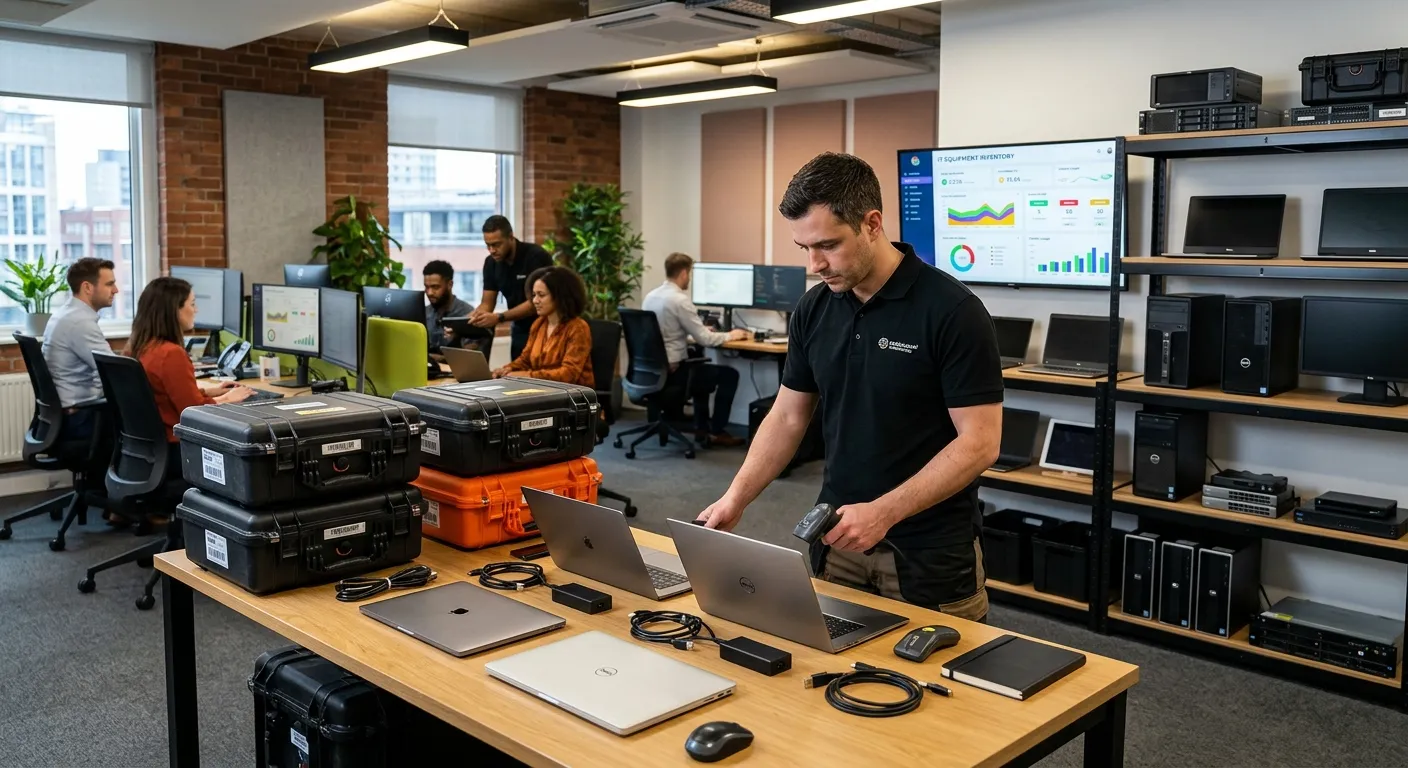
The link between fair trade and the circular economy is becoming increasingly tangible, especially in the digital sector. IT equipment accounts for a significant share of companies' carbon footprint. Reducing this footprint requires responsible management of the equipment life cycle.
Refurbishment not only helps reduce electronic waste, but also showcases the work of local organizations committed to social and solidarity-based initiatives. Applied to digital, fair trade here means bringing players who meet high environmental and social standards into the recovery and reuse channels.

The circular economy teaches us that waste is no longer an end, but a beginning. The reuse, repair and recycling of electronic components fit perfectly into a fair trade approach, provided that the players involved receive fair pay and that working conditions are decent.
Companies that adopt this dual approach, both fair and circular, can significantly reduce their impact while contributing to a more inclusive economy.
For a company, fair trade is no longer a simple one-off initiative. It is a true pillar of CSR strategy, reflecting a holistic vision of performance that integrates social, environmental and economic issues.
Getting involved in fair trade supply chains means, first and foremost, building long-term relationships with partners. It means accepting a fairer distribution of value and adopting a co-development mindset. These partnerships strengthen supply chain resilience, a major asset in a world in crisis.
Finally, consumers, investors and employees increasingly expect companies to take concrete action. Integrating fair trade into your purchasing policy means affirming your willingness to play an active role in the ecological and social transition. It is also a way to stand out in an increasingly competitive environment, where positive impact is becoming a differentiating criterion.
At Leasetic, we believe that digital transformation cannot be separated from environmental and social issues. That is why we offer companies financing and IT equipment management solutions focused on the circular economy, refurbishment and responsible recovery.
Our expertise enables organizations to reconcile technological performance with ethical commitment. Would you like to integrate fair and sustainable criteria into your digital purchasing? Contact our experts to build a strategy together that is tailored, innovative and respectful of fair trade values.
Aller plus loin
Leasing par secteur : télécoms, médical, industriel, audiovisuel
Go further
Leasing by sector: telecoms, medical, industrial, audiovisual
Para saber más
Renting por sector: telecomunicaciones, médico, industrial, audiovisual