
Reconditioned
Integrating Refurbishment into Your Business Model
What if your company switched to refurbished IT equipment?

Chloé David
November 10, 2026

What if your company switched to refurbished IT equipment?
Sustainability has never been as critical for companies as it is today. In this article, we highlight companies that have successfully integrated refurbishment into their business model, contributing to a circular and environmentally friendly economy.
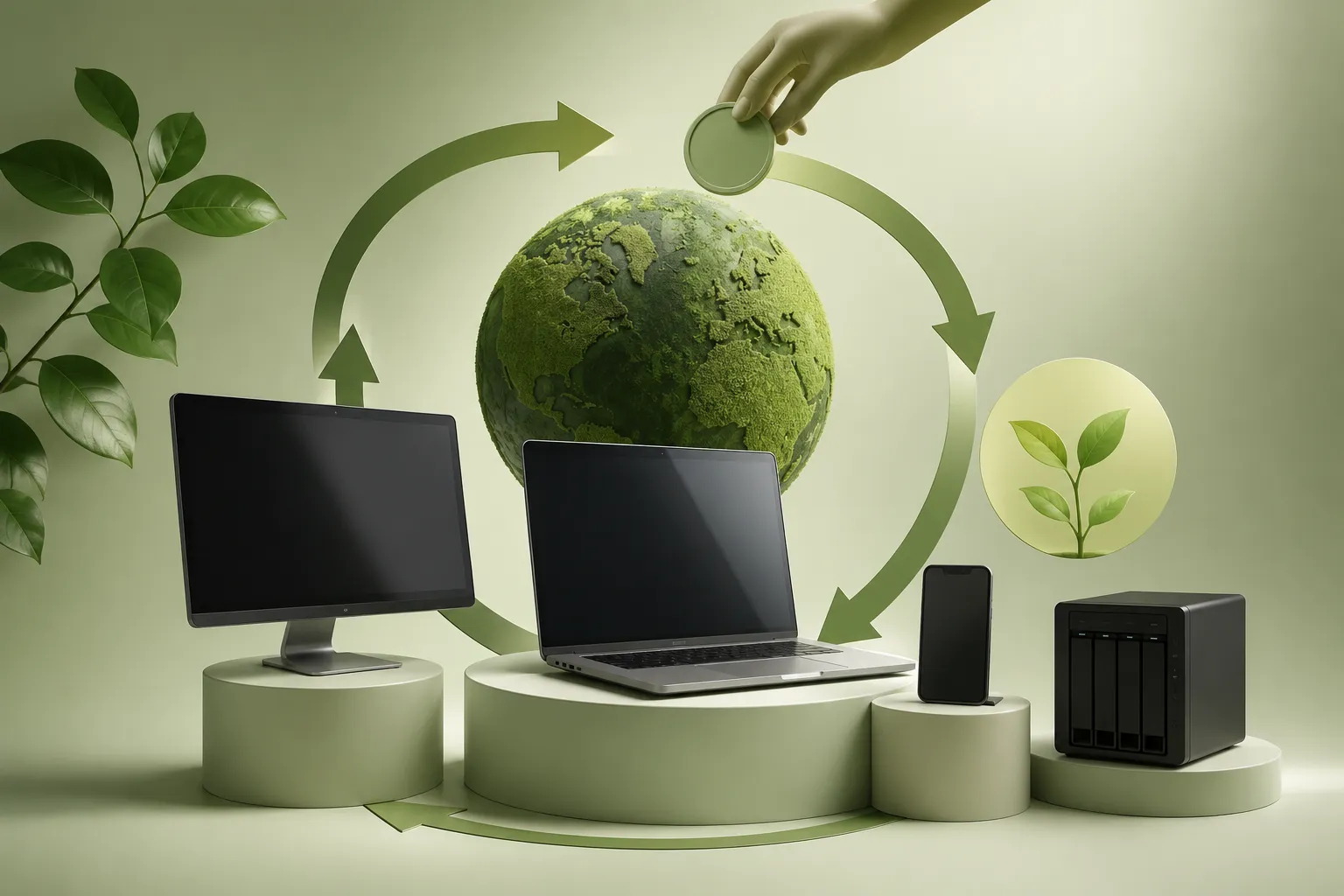
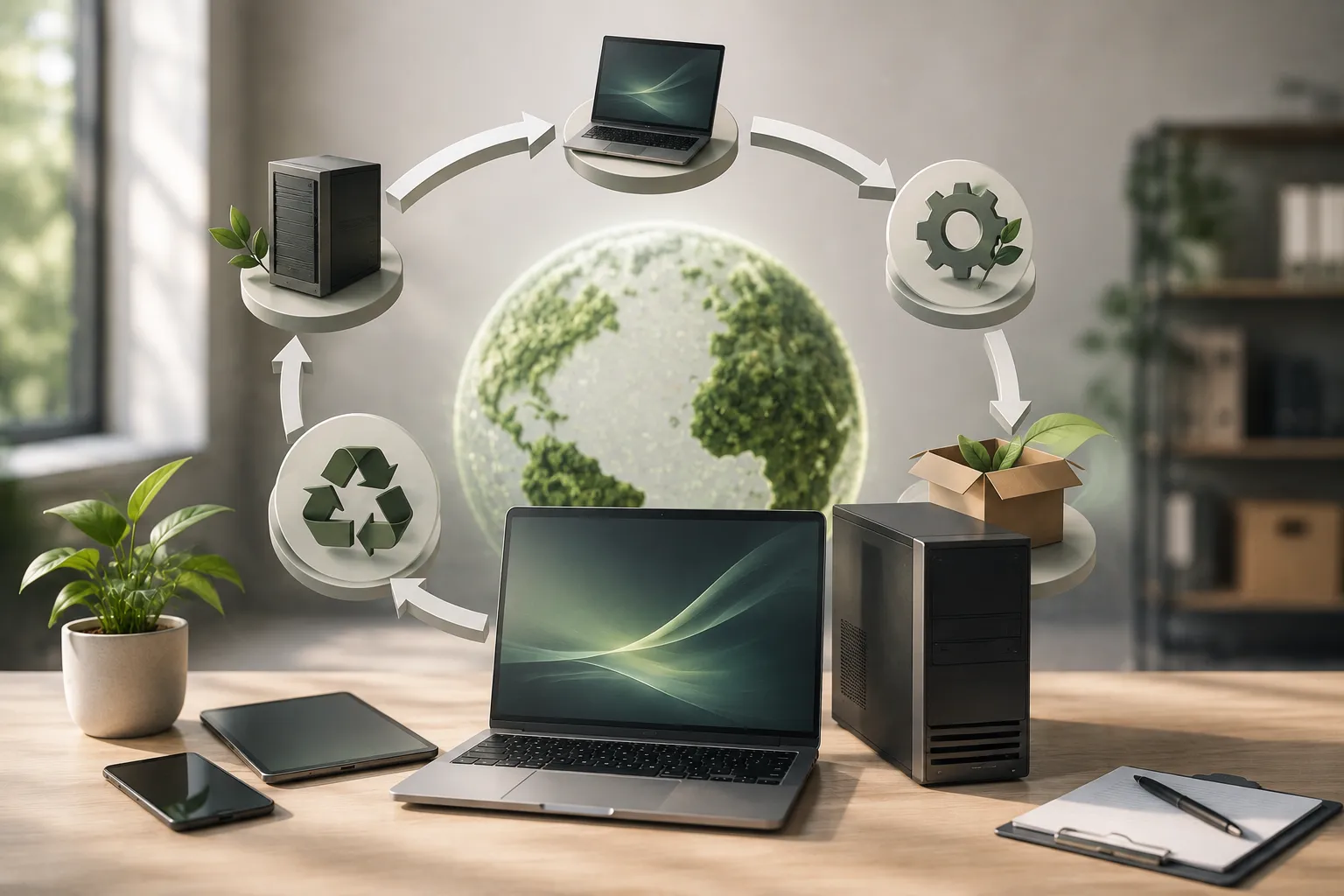
Refurbishment is a process that involves repairing, cleaning and restoring used or damaged products to get them working again, extending their lifespan. It is a powerful strategy for reducing environmental impact, because it lowers demand for new resources and limits waste.
One of the most rewarding aspects of refurbishment is its significant positive impact on the environment. According to the French Agency for Ecological Transition (ADEME), manufacturing a computer and its screen requires nearly 1.5 tonnes of raw materials, much of which is non-renewable. By extending a computer's lifespan through refurbishment, these precious resources are saved.
Refurbishment also reduces the production of electronic waste, one of the fastest-growing waste streams in the world. According to the UN, 53.6 million tonnes of e-waste were generated worldwide in 2019, with a recycling rate of only 17.4%. By refurbishing and reusing electronic devices, companies can help bring these alarming figures down.
Finally, refurbishment also helps reduce greenhouse gas emissions. A study by ADEME showed that extending the lifespan of a laptop by 1 to 2 years can reduce its carbon footprint by 25 to 50%. This shows that refurbishment can be a powerful strategy in the fight against climate change.

Several world-renowned companies have set up refurbishment programs. Apple, for example, has a refurbishment program that lets customers return their used devices in exchange for discounts on new products. Returned devices are either responsibly recycled or refurbished for resale.
Dell, a giant of the IT industry, also has a refurbishment program. The company refurbishes and resells used IT equipment, helping to reduce electronic waste.
Loopix, Leasetic's refurbished offering, specializes in refurbishing IT equipment. It supplies refurbished smartphones and computers to company employees, helping to reduce the environmental impact of the tech sector.
Integrating refurbishment into a business model is not without its challenges. It may require investing in new skills and technologies, and it may mean convincing customers of the value of refurbished products.
Beyond contributing to sustainability, refurbishment offers many benefits for companies. It can generate cost savings, open up new revenue streams and enhance the company's reputation for environmental responsibility.

Integrating refurbished equipment into a company's infrastructure is a practice that is growing in popularity thanks to its financial and environmental benefits. Here are a few steps to follow:
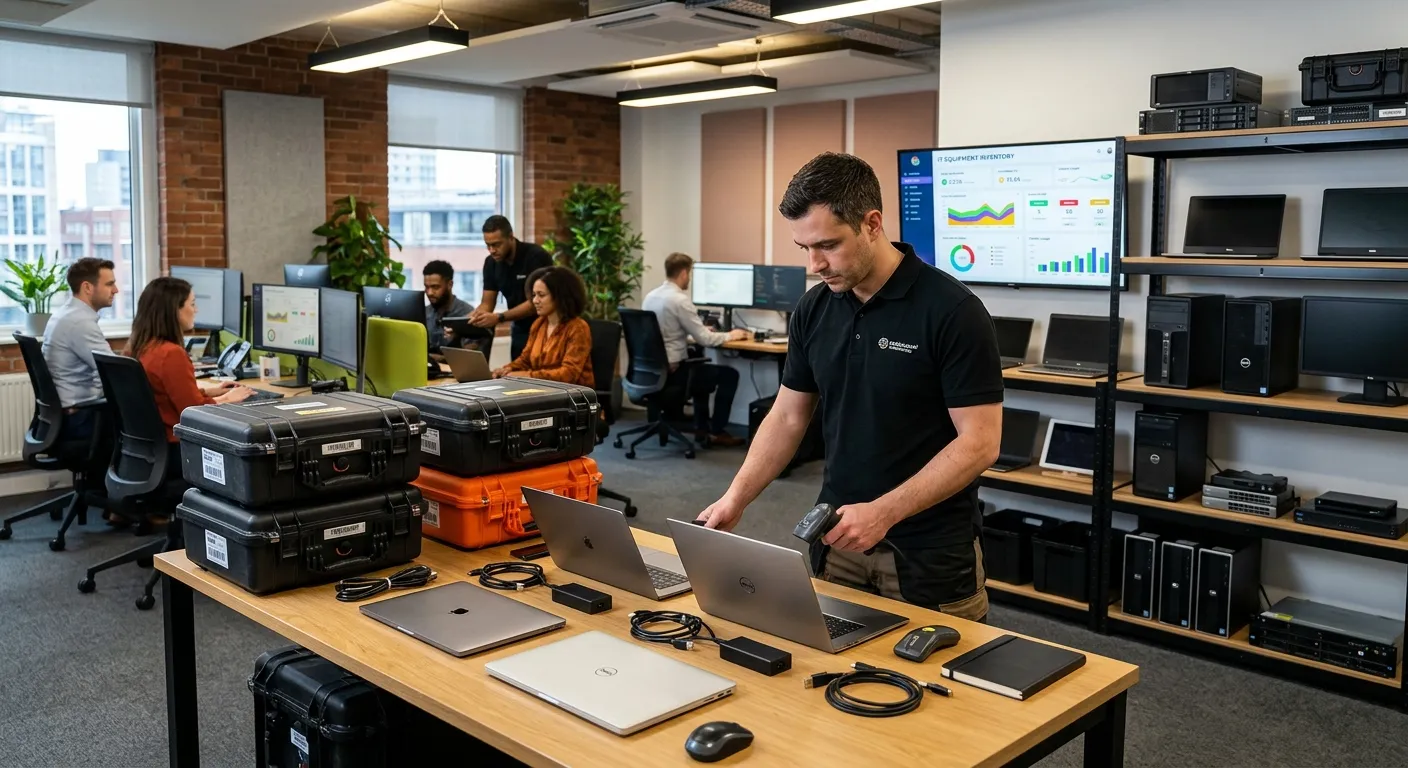
First, identify your company's specific equipment needs. Whether you need computers, smartphones, office equipment or industrial machinery, understanding your needs will help you choose the right refurbished equipment.
It is essential to choose a reputable supplier of refurbished equipment. Make sure the supplier offers a warranty, technical support and, if possible, references from other companies that are satisfied with their products.
Buying refurbished equipment can deliver substantial savings. Reallocate these savings to other strategic areas of your business, or use them to increase your technology budget so you can acquire better equipment or more units.
Inform your employees of the decision to adopt refurbished equipment. Explain the environmental benefits of this approach and how to use and maintain the equipment properly to maximize its lifespan.
Once the refurbished equipment is in place, regularly assess its performance and reliability. Use this information to guide your future purchasing decisions and to look for ways to make your use of refurbished equipment even more efficient.
By integrating refurbished equipment, companies can make a significant contribution to reducing their environmental footprint while benefiting from lower costs and product quality that is often comparable to new equipment.