Fleet management
IT Fleet Management: How to Manage the Equipment Lifecycle
Do you know the lifecycle of your IT fleet?

Chloé David
November 10, 2026

Do you know the lifecycle of your IT fleet?
IT fleet management is more than simply keeping track of equipment: it is a crucial challenge for innovative companies.
Optimizing the lifecycle of every device not only delivers substantial savings but also ensures consistent and secure performance.
Find out how to approach each phase of the equipment lifecycle and keep your technology infrastructure under control.
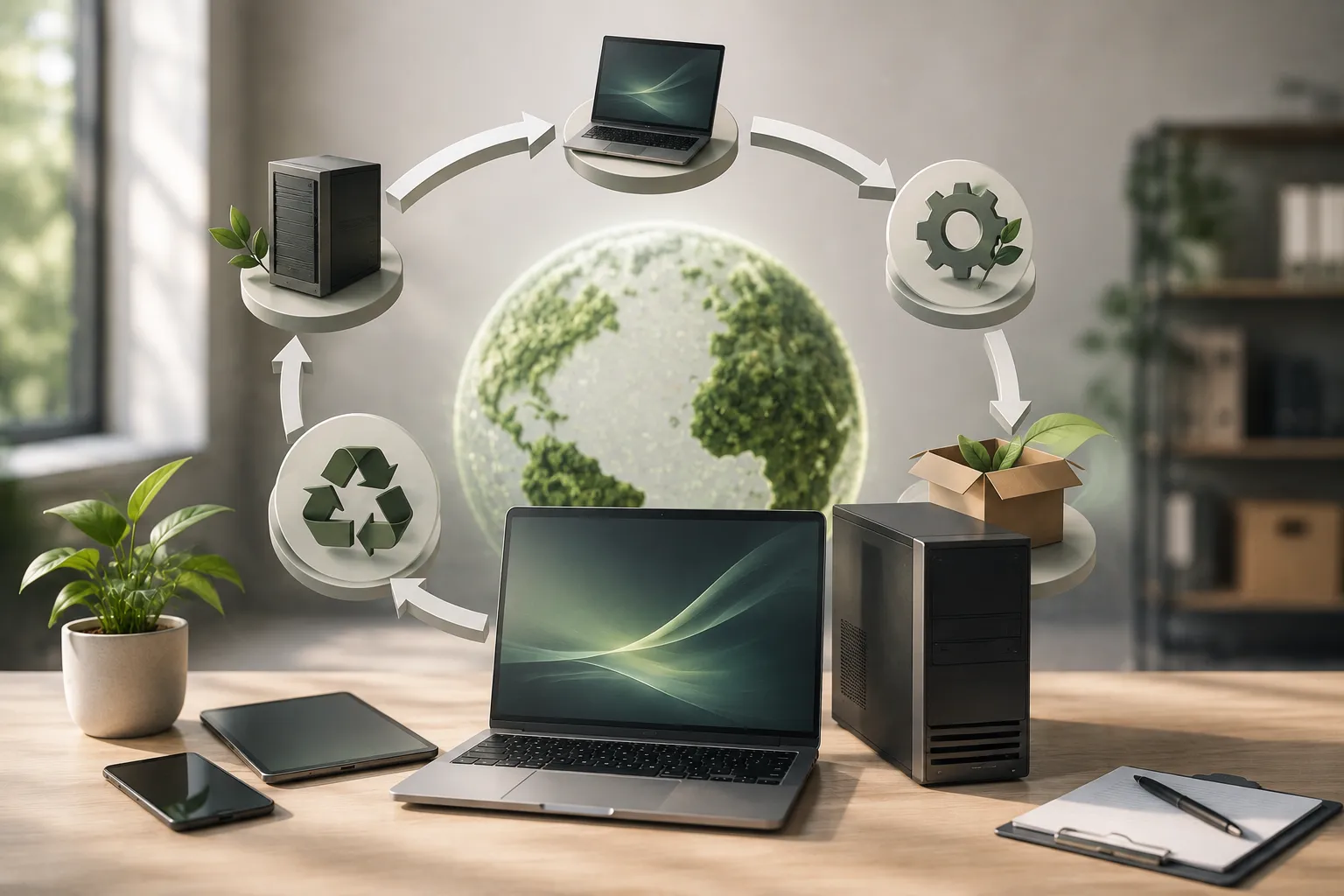
Every piece of IT equipment goes through several stages during its existence, forming what is known as its "lifecycle". From design to disposal, each phase has its own challenges and implications. A thorough understanding of this cycle is essential for companies, for several reasons.
First, it allows them to anticipate future needs, whether for renewals, upgrades or maintenance. Second, good control of the lifecycle ensures that resources are used optimally, minimizing both costs and waste.
It also helps companies avoid unexpected disruptions, ensuring business continuity. Finally, by understanding and respecting each stage of the lifecycle, companies can also strengthen their commitment to social and environmental responsibility, making sure that equipment is used ethically and sustainably throughout its life.
It is important to keep in mind that the manufacturing of IT equipment accounts for 97% of the depletion of our resources. Paying close attention to the lifecycle of your IT fleet can therefore considerably improve your environmental impact.

The process of choosing and acquiring equipment is a crucial step in managing a company's IT fleet. This is when decisions are made that will affect not only operational performance but also the company's environmental footprint.
Opting for durability from the outset offers several advantages. First, it ensures better long-term profitability, because durable equipment generally lasts longer, needs fewer repairs and can be upgraded more easily. It also means fewer frequent replacements, which translates into financial savings and lower resource consumption.
In addition, suppliers committed to sustainable production are often more inclined to use eco-friendly materials, reduce their energy consumption during manufacturing and set up recycling programs. Choosing such suppliers therefore allows companies to minimize their carbon footprint from the very start of the equipment lifecycle.
The added value in terms of brand image is also worth mentioning. In a market that is increasingly aware of environmental issues, companies that prioritize sustainability stand out favorably with their customers, partners and even employees. By building sustainability into their purchasing criteria, companies do more than save money: they also position themselves as responsible leaders in their sector.
When it comes to IT fleet management, the importance of equipment deployment and integration is often underestimated. Yet this is the stage where many key decisions are made, directly influencing the sustainability, performance and profitability of the entire fleet.
Deploying equipment is not just about installing machines and software. It is also the ideal time to set up optimized configurations that ensure efficient, energy-saving use. Proper networking, appropriate sleep settings and careful attention to where equipment is placed can greatly influence its energy efficiency.
Integration, for its part, must cover not only the interoperability of devices with one another, but also the way they interact with users and with the company's processes. Successful integration ensures that every element of the IT fleet is used to its full potential, avoiding wasted resources and extending the life of the equipment.
Careful planning at this stage can also prevent extra costs and headaches down the road. This may include, for example, training employees in good usage practices, setting up preventive maintenance protocols or anticipating future needs for expansion or upgrades.

Maintaining and updating IT equipment are not just routine tasks; they are essential to ensure the longevity, security and optimal performance of the IT fleet. In fact, proactive management of these aspects can considerably extend the useful life of devices, delivering a better return on investment.
Preventive maintenance, which includes regular cleaning of components, checking ventilation systems and monitoring performance, makes it possible to identify and fix potential problems before they cause damage. This not only prevents unexpected breakdowns but also extends the life of the equipment, reducing the costs associated with early replacements.
Updates, for their part, play a crucial role in security. IT threats are constantly evolving, and outdated software can become an easy target for attacks. By regularly updating operating systems and software, companies make sure they have the latest protections against these threats. These updates also often bring improvements in efficiency and functionality, allowing teams to work more productively.
It is also wise to establish a maintenance culture within the company. Training employees to recognize the warning signs of potential problems and to understand the importance of regular updates creates an environment where everyone plays a part in preserving and optimizing IT resources.

When IT equipment reaches the end of its lifecycle, it is essential to have an environmentally friendly and responsible disposal strategy. Electronic waste, if improperly discarded, can have a considerable environmental impact, notably because of the heavy metals and chemicals it contains.
First and foremost, IT recycling is essential. Working with specialized partners who can guarantee secure, standards-compliant recycling is a crucial step. These organizations dismantle the devices, recover valuable materials such as gold, silver and copper, and ensure environmentally sound treatment of non-recyclable components.
Donating equipment that still works to schools, NGOs or other organizations is also an excellent option. It extends the useful life of the equipment, supports social causes and reduces the company's carbon footprint.
Opting for the take-back or trade-in programs offered by many manufacturers can also be beneficial. These programs often provide discounts on new equipment in exchange for old devices, ensuring both technology renewal and responsible disposal.
It is also essential to securely destroy all sensitive data stored on devices before they are recycled or donated, in order to protect the company's confidentiality and security.

At a time when every technology choice matters, Leasetic stands out as your partner of choice for responsible and sustainable IT management. More than just a financial provider, we act as strategic advisors, guiding you through the inherent challenges of 21st-century IT.
Our expertise focuses on managing the environmental impact of technology, enabling every company to align its technology ambitions with its eco-responsible values.
Through a holistic approach to IT management, we help our partners select, deploy, maintain and renew their equipment sustainably.
At Leasetic, we firmly believe that the transition to green IT is not only possible but necessary. Trust us to support you on this journey, optimizing your IT fleet while protecting our planet.
To go further: find out why IT fleet management is a CSR tool and how to connect IT fleet management with your CSR approach.