
Reconditioned
IT software and services: record growth in Europe through 2027
IT software and services growth in Europe is reaching new heights: a look at the trends and forecasts for 2027.

Sophie Fruleux
November 10, 2026

IT software and services growth in Europe is reaching new heights: a look at the trends and forecasts for 2027.
The information technology (IT) sector in Europe is booming, driven by the accelerated digitalization of companies and the widespread adoption of new technologies. According to IDC, IT spending is expected to grow by an average of +5.3% per year between 2022 and 2027, a rise that reflects the digital transformation of our economies. This upward trajectory is supported by strong trends: remote collaboration, generative artificial intelligence (GenAI) and growing cybersecurity requirements.
With remote and hybrid work now widespread, European companies are investing heavily in collaboration tools and customer relationship management (CRM) solutions. These technologies help improve productivity, ensure business continuity and meet complex operational needs.
Generative artificial intelligence also plays a major role. Applications such as chatbots, natural language processing tools and automated coding solutions are paving the way for considerable efficiency gains across all sectors.

With cyberattacks on the rise, cybersecurity has become a central issue for companies. Investments in robust systems and advanced data protection solutions continue to grow, sustaining the momentum of the IT services sector.
European regulations on sustainability and responsible development are pushing companies to modernize their digital infrastructure. Sectors such as energy, for example, must not only diversify their supply sources but also adopt environmentally friendly digital solutions to meet the new standards.
The Nordic countries, notably Sweden, Finland and Norway, are recording the strongest growth in IT spending. These regions benefit from particularly dynamic software publisher ecosystems that foster digital innovation.
Conversely, countries such as Romania face significant obstacles, including high inflation that weighs on the devices market and holds back overall ICT (information and communication technology) spending.
Despite easing pressure from inflation and energy prices, economic and geopolitical uncertainty continues to weigh on some investment decisions. However, IT is still seen as a safe haven, with spending rising across all sectors.
According to ADEME (the French Agency for Ecological Transition), digital technology accounts for 2.5% of France's carbon footprint, as much as the waste sector. Equipment manufacturing (computers, smartphones, etc.) is responsible for 80% of this impact. This figure highlights the importance of adopting a sustainable approach to managing IT infrastructure.
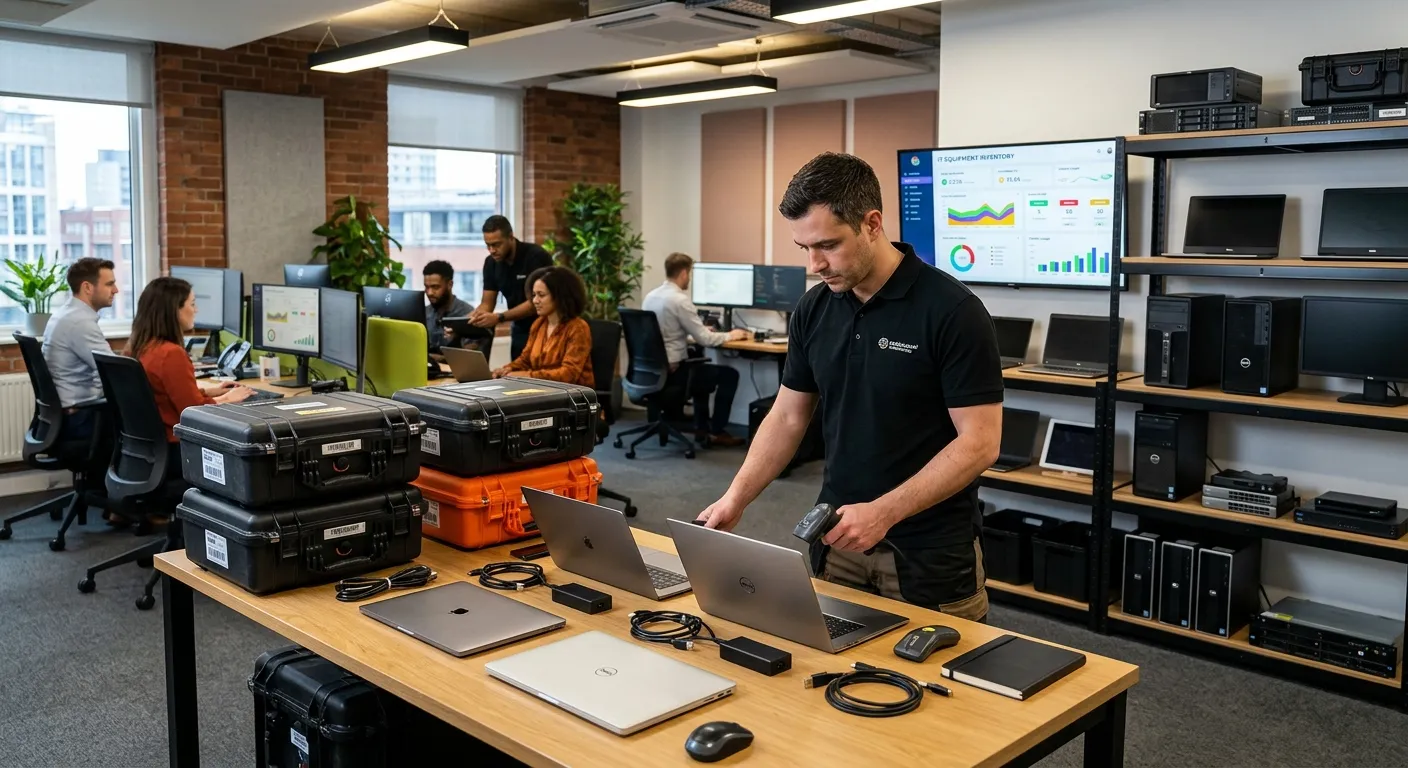
Companies can reduce their environmental impact by extending the lifespan of their equipment, adopting digital sobriety practices, and favoring refurbishment solutions, particularly through professional refurbished equipment for businesses. Sustainable financing and IT asset management offers, such as those provided by Leasetic, play a crucial role in this approach.
Companies need to position themselves now to take advantage of emerging trends. Here are a few strategic avenues to explore:
The record growth of IT software and services in Europe illustrates the strategic importance of investing in digital technologies. While these trends represent a major opportunity for companies, they also bring responsibilities, particularly with regard to the environment. Anticipating these challenges means not only staying competitive but also contributing to a more sustainable future.
To support your digital transition and maximize your performance while reducing your carbon footprint, trust Leasetic. Our experts are available to help you adopt responsible and sustainable solutions. Contact us today!